Choosing the right windows for commercial buildings is crucial for both aesthetics and functionality. Windows impact energy efficiency, safety, and overall design. Understanding how to choose windows for commercial buildings can feel overwhelming. However, making informed decisions can significantly enhance a building's performance.
Consider the climate and location of your building. Different materials and styles perform better in specific environments. For example, double-glazed windows may be ideal in colder regions. Reflect on the building's purpose. A retail space might prioritize visibility, while an office may need sound insulation. Engage with architects and professionals for insights tailored to your project.
It's essential to think beyond aesthetics. The right windows can lead to cost savings on energy bills. However, some choices might initially seem affordable but could lead to higher long-term expenses. Reflect on the maintenance required for each type of window. Selecting the right windows is not just about today; it’s about future-proofing your investment.
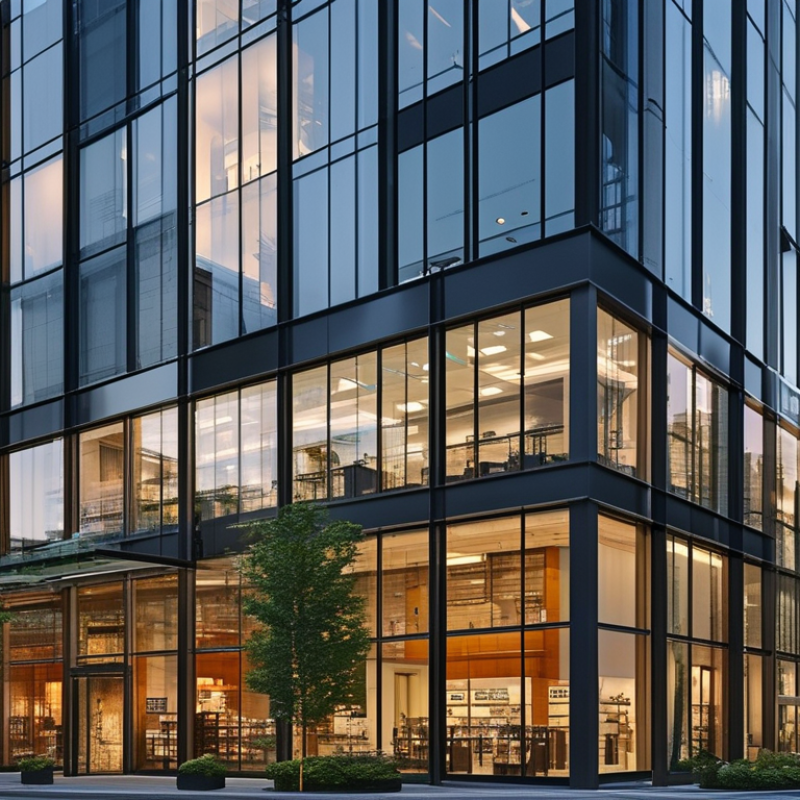
Selecting windows for commercial buildings involves several considerations that impact both functionality and aesthetics. Energy efficiency is crucial. Well-insulated windows can reduce heating and cooling costs, while also enhancing occupant comfort. Look for options with high energy performance ratings to ensure a better long-term return on investment.
Another vital aspect is durability. Commercial windows must withstand various environmental stressors. This includes harsh weather conditions and potential vandalism. Choosing materials known for their longevity can save time and resources on repairs. You might find that some options require more maintenance than others, which could impact operational costs.
Aesthetics should not be overlooked. Windows contribute significantly to a building's facade. Choose designs that align with the overall architectural vision. However, balancing style with functionality is essential. Some attractive designs might lack energy efficiency or durability. Reflecting on these choices can lead to better outcomes in both performance and visual appeal in the long run.
Choosing the right windows for commercial buildings is crucial. Various types of windows suit different applications, each with unique benefits. For instance, aluminum frames offer durability and low maintenance. They are ideal for offices or retail spaces needing a sleek look and structural support. In contrast, vinyl windows are energy-efficient and cost-effective, making them great for budget-conscious projects.
Tips: Always assess the local climate. This can influence window performance significantly. Consider insulation properties carefully to reduce energy costs.
Glass choices also matter. Double or triple-glazing provides added thermal resistance. This is essential for buildings in colder regions. On the flip side, tempered glass can be beneficial for safety in high-traffic areas. Always think about safety and security measures when selecting materials.
Tips: Evaluate how much natural light you want in your space. Too much can cause glare and heat buildup. Think about window styles like casement or sliding, based on accessibility and aesthetics. Reflect on how upkeep will fit your budget and timeline.
When it comes to commercial buildings, energy efficiency is paramount. Windows play a crucial role in meeting energy efficiency standards. They can significantly impact heating and cooling costs. Choosing the right windows involves understanding energy ratings. Look for windows that have a high U-value and low solar heat gain coefficient (SHGC). This is essential for maximizing energy savings.
Many building codes require compliance with specific energy efficiency benchmarks. Regulations often vary by region, so it is vital to research local standards. Consulting with energy consultants or building professionals can provide insights into applicable regulations.
It’s not just about compliance; it’s about improving overall building performance.
However, the process is not flawless. Overlooking certain aspects, like proper installation, can lead to energy loss. Even high-quality windows can fail if not installed correctly. Therefore, reflection on design choices and installation techniques is necessary.
Balancing aesthetics with efficiency standards can be challenging but worth the effort. Make well-informed decisions to ensure long-term benefits for commercial spaces.
The design of windows in commercial buildings significantly impacts both aesthetics and functionality. Research indicates that nearly 30% of a building's energy loss can be attributed to poor window design. Selecting energy-efficient windows can reduce heating and cooling costs by up to 40%. This is crucial for businesses aiming to improve sustainability and lower operational expenses.
Aesthetic appeal cannot be overlooked. Attractive windows bring natural light and enhance a building's external view. Buildings with modern window designs often see an increase in tenant satisfaction by 15%, according to recent industry studies. Moreover, thoughtful window placement can create a more inviting atmosphere inside. This can lead to improved employee productivity and overall comfort.
Choosing the wrong window may affect long-term operational efficiency. Common mistakes include inadequate insulation or unfavorable placement that creates glare. Such issues highlight the need for careful planning and professional advice. Window design must balance visual appeal with energy performance to achieve optimal results. Understanding the implications of these choices is essential for architects and building owners alike.
Budgeting for commercial window installation is essential. On average, businesses spend between $20 and $35 per square foot for window projects. Factors influencing this cost include labor rates, material choices, and building size. A comprehensive cost analysis should consider window types, energy efficiency, and local regulations.
Energy-efficient windows may have higher upfront costs, but they offer savings on energy bills. According to the U.S. Department of Energy, high-performance windows can reduce energy costs by 10-50%. This long-term saving can offset initial expenses.
It's crucial to evaluate the total lifecycle cost of window installation. A cheaper window may lead to higher maintenance costs later. It's a common misstep to prioritize initial costs without understanding long-term implications. Owners should budget for both installation and periodic maintenance, ensuring a thorough financial plan.
: Aluminum and vinyl windows are popular choices. Aluminum frames offer durability, while vinyl is energy-efficient and cost-effective.
The local climate significantly impacts window performance. Assess climate conditions to choose the best insulation properties.
Poor window design can cause about 30% of energy loss. Energy-efficient designs can reduce heating and cooling costs by up to 40%.
Attractive windows enhance light and views. Modern designs can improve tenant satisfaction by 15%, making the space more inviting.
Inadequate insulation and poor placement lead to glare. Such errors highlight the importance of thoughtful planning and professional advice.
Businesses typically spend $20 to $35 per square foot. Consider labor, materials, and building size in your cost analysis.
Though they have higher upfront costs, energy-efficient windows save 10-50% on energy bills, offsetting initial expenses over time.
Include installation costs and maintenance. It's a mistake to prioritize initial costs without evaluating long-term expenses.
Thoughtful window placement enhances natural light and comfort. This can lead to improved productivity and a better workplace atmosphere.
Safety is essential in high-traffic areas. Consider tempered glass alongside aesthetic and energy efficiency when choosing windows.
When considering how to choose windows for commercial buildings, several key factors must be taken into account. The selection process includes evaluating the types of windows that are best suited for specific commercial applications, ensuring compliance with energy efficiency standards, and understanding the impact of window design on both aesthetics and functionality. Each type of window will serve different needs based on the building's purpose and location.
Additionally, a thorough budgeting and cost analysis for the commercial window installation is crucial. This involves not only the initial costs but also long-term savings generated by energy-efficient options. By carefully weighing these considerations, one can make informed decisions that enhance both the performance and appearance of commercial spaces while remaining financially viable.

Wright Windows