Top Durable Windows How to Reduce Maintenance Costs

Time:2026-10-11 Author:Sienna
0%

Durable windows are not merely an upgrade; they are a long-term maintenance decision. The U.S. Department of Energy reports that windows can account for 25–30% of residential heating and cooling energy use. Poor seals, warped frames, and failed drainage can increase those costs further. Small defects often become expensive repairs.

The National Association of Home Builders estimates that typical window units may last around 15–20 years, depending on materials, installation, climate, and maintenance. However, lifespan alone does not prove durability. A window facing salty coastal air needs different protection than one exposed to freezing temperatures and driving rain. Frame material, glass performance, hardware quality, flashing, and installation details all matter.

Building scientist Joseph Lstiburek offers a useful warning: “Water is the enemy.” His observation explains why durable windows must manage moisture before it reaches walls, insulation, or interior finishes. Proper drainage channels, corrosion-resistant fasteners, and replaceable weatherstripping can reduce repeated service calls. The Energy Star program also recommends selecting climate-appropriate windows and installing them correctly, not simply choosing the lowest U-factor.

This guide examines how to reduce maintenance costs with durable windows through practical specifications and realistic upkeep. No window is maintenance-free. That assumption is costly. Even premium products can fail when installers ignore sill pans, perimeter sealing, or manufacturer instructions. A better approach combines verified performance, qualified installation, scheduled inspections, and honest lifecycle thinking. The cheapest window today may quietly become the most expensive choice over twenty years.
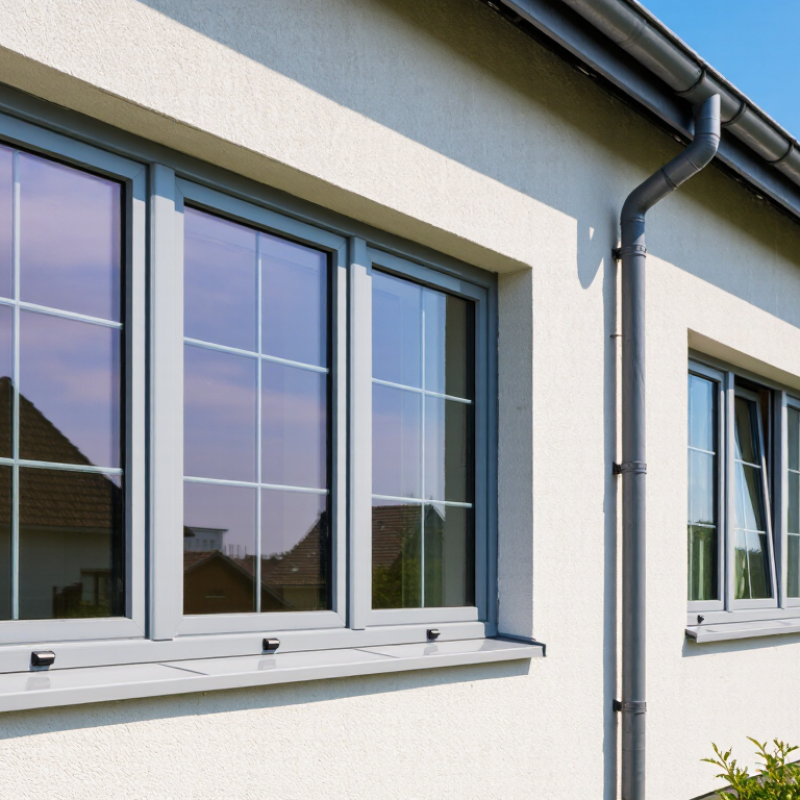
Top Durable Windows How to Reduce Maintenance Costs

Durability Standards for Low-Maintenance Windows

Durability standards matter more than a window’s showroom appearance. In field inspections, maintenance teams often find early failures around corner joints, drainage paths, and exposed hardware. Look for products tested under NAFS/AAMA/WDMA/CSA 101/I.S.2/A440 performance requirements. These tests evaluate air leakage, water penetration, wind resistance, and operating force. A window should also have clear performance class and design pressure ratings for its climate.

Life-cycle testing adds another practical measure. AAMA 910 evaluates repeated opening and closing, helping assess hardware wear before installation. The exact test level depends on the product category, so buyers should not compare cycle numbers without checking the standard. That detail is easy to miss. It can affect future repair budgets.

Energy performance also influences maintenance costs. The U.S. Department of Energy reports that windows can account for about 25% to 30% of residential heating and cooling energy use. Properly rated glazing, sealed frames, and durable weatherstripping reduce drafts and moisture exposure. Ask for NFRC-rated U-factor and solar heat gain data, then inspect installation quality. Even a strong frame can develop leaks when shims are misplaced or flashing is incomplete. A yearly check should include cracked sealant, blocked weep holes, loose fasteners, and stiff locks. Small defects become expensive when ignored.

Window Materials That Resist Wear and Weather Damage

Top durable windows reduce maintenance costs when their materials match local weather.

No frame lasts forever. The U.S. Department of Energy estimates that windows account for 25–30% of household heating and cooling energy use. Poorly sealed frames may also increase condensation, paint damage, and hardware wear. Material selection affects both comfort and repair frequency.

Fiberglass frames resist expansion, shrinking, and moisture better than many conventional materials. Their movement is closer to glass, which helps protect seals during temperature changes.

Reinforced vinyl resists rot and corrosion, but low-quality profiles can become brittle in intense sunlight.

Aluminum offers strong structural performance, especially with thermal breaks.

Without them, metal frames can transfer heat quickly and encourage interior condensation. That detail matters.

Wood provides excellent insulation, yet exposed surfaces need regular coating inspections. Clad systems reduce exposure, although damaged joints still require prompt attention.

Industry testing under AAMA and ASTM standards evaluates air leakage, water penetration, and structural pressure.

These tests are useful, but they do not reproduce every coastal storm or dusty urban environment. The National Fenestration Rating Council also confirms that U-factor and solar heat gain ratings support energy comparisons, not complete durability judgments.

A practical review should check drainage paths, corner joints, fasteners, and sealant every year. Maintenance-free is usually an overstatement. Weather exposure remains unpredictable.

Design Features That Extend Window Service Life

Top Durable Windows: How to Reduce Maintenance Costs

Durable windows are designed around water, movement, and repeated cleaning—not appearance alone. The U.S. Department of Energy estimates that windows account for 25–30% of residential heating and cooling energy use. This loss increases stress on seals, frames, and hardware. Good design starts with a sloped sill, continuous drainage paths, and properly integrated flashing. These details move rain outside the wall instead of trapping moisture behind the trim. Water always wins.

Low-emissivity glazing and warm-edge spacers can reduce condensation and temperature-related movement. NFRC rating data helps compare U-factor, solar heat gain coefficient, and visible transmittance under consistent methods. Choose for climate, not showroom brightness. Oversized glass may improve daylight, but it can increase thermal stress and cleaning time. This tradeoff is often ignored.

AAMA/WDMA/CSA 101/I.S.2/A440 performance standards evaluate air leakage, water penetration, and structural performance. Specify tested assemblies, corrosion-resistant fasteners, replaceable weatherstripping, and accessible drainage holes. Removable screens also simplify seasonal cleaning. Small failures matter. Inspect corners, sealant joints, and hardware after severe weather. The U.S. DOE recommends regular inspection and maintenance because neglected air leaks can reduce efficiency and shorten service life. A perfect window does not exist. Installation quality still decides much of the result.

Top Durable Windows: Design Features That Reduce Maintenance Costs

Typical planning intervals for maintenance-related window components. Features such as effective drainage, durable finishes, replaceable seals, and corrosion-resistant hardware can reduce the frequency of major maintenance.

These are typical industry planning ranges rather than guaranteed service lives. Actual intervals vary with climate, UV exposure, coastal conditions, installation quality, and cleaning practices.

Installation Practices That Prevent Costly Repairs

Durable windows rarely fail because the glass is weak. They fail when installation lets water enter hidden joints. The U.S. Department of Energy estimates windows cause 25–30% of residential heating and cooling energy use. That figure makes installation an energy and maintenance decision. Before setting the frame, inspect the rough opening for rot, uneven masonry, or trapped moisture. Repairing the substrate is cheaper than burying a defect. Not glamorous work.

Use a sloped sill pan and connect it carefully to the wall’s drainage layer. Extend flashing beyond the frame, especially at lower corners. Set the window plumb, level, and square, then place firm shims near fasteners. Over-tightening can bow the jamb. Leave drainage paths open. On site, foam is often overfilled. Low-expansion window foam controls air leakage without distorting the frame. Seal the exterior joint with compatible sealant, but never block designed weep holes. The Fenestration and Glazing Industry Alliance installation guidance repeatedly emphasizes these moisture-control details.

After fastening, operate every sash and lock. Then perform a controlled water test around corners and the head flashing. DOE Building America guidance identifies water management as a critical enclosure practice. Record photos before interior trim hides the joints. A rushed inspection may save an hour today. It can create years of callbacks. Perfect installation is not always achieved. Reviewing the first window honestly prevents repeating the same mistake across the house.

Maintenance Planning for Long-Term Window Performance

Long-term window performance begins with a practical maintenance plan, not an emergency repair. During seasonal inspections, check frames, seals, drainage paths, locks, and operating hardware. Look for cracked caulking, moisture stains, loose fittings, or difficult movement. Small issues become expensive. Clean drainage openings with a soft brush, and avoid sharp tools that may damage protective surfaces. Wash glass with mild soap and water. Harsh chemicals can weaken nearby sealants.

Set inspection dates around local weather patterns. Heavy rain, freezing temperatures, coastal air, and strong sunlight can accelerate wear. Lubricate moving hardware only with a compatible product and remove excess residue. Replace worn weatherstripping when drafts remain after adjustment. Keep records. Note the inspection date, observed condition, repair, and materials used. These details help technicians identify repeated failures instead of treating symptoms.

A maintenance plan should include trained inspections at reasonable intervals, especially for large or frequently used windows. Field experience shows that neglected drainage and failed seals often cause more trouble than visible glass damage. Still, a schedule can miss hidden deterioration. I have learned to question clean appearances and inspect corners, joints, and concealed fasteners. Do not postpone professional assessment when water enters the wall, condensation persists, or the frame shifts. Accurate records, compatible repairs, and timely decisions protect performance while controlling future maintenance costs.

FAQS

Why should the rough opening be inspected before window installation?

Check for rot, uneven masonry, and trapped moisture. Repairing hidden defects costs less than covering them. It is boring work, but important.

How does a sill pan help prevent water damage?

A sloped sill pan directs water toward the exterior. Connect it to the wall’s drainage layer. Extend flashing beyond the frame, especially near lower corners.

What positioning checks are needed before fastening the window?

Set the frame plumb, level, and square. Place firm shims near fasteners. Over-tightening can bow the jamb and affect operation.

How should foam and sealant be applied?

Use low-expansion foam around the frame. Too much foam may distort the window. Seal exterior joints with compatible sealant, but keep weep holes open.

What should be tested after installation?

Open and close every sash. Test each lock. Spray water around corners and head flashing, then inspect for leaks.

Which maintenance areas need regular inspection?

Check frames, seals, drainage openings, locks, and operating hardware. Look for stains, cracked caulking, loose fittings, or difficult movement.

How can homeowners maintain drainage openings safely?

Clean them with a soft brush. Avoid sharp tools. They can damage protective surfaces or block the drainage route.

When should professional assessment be considered?

Seek help when water enters the wall, condensation persists, or the frame shifts. Clean surfaces can hide deterioration. I would not trust appearances alone.

What records should a window maintenance plan include?

Record inspection dates, visible conditions, repairs, and materials used. These notes can reveal repeated failures. Records are easy to neglect, unfortunately.

Conclusion

Durable windows can significantly lower ownership expenses when their performance is evaluated beyond appearance. Key durability standards include resistance to moisture, air leakage, ultraviolet exposure, temperature changes, and repeated operation. Materials such as reinforced vinyl, treated wood, fiberglass, and corrosion-resistant metal can help withstand weather and everyday wear when properly selected. Strong frames, reliable hardware, effective drainage paths, quality seals, and protective glazing also extend service life by reducing stress and preventing premature damage.

Understanding how to reduce maintenance costs with durable windows begins with proper installation. Accurate measurements, sound fastening, insulated gaps, and carefully sealed joints help prevent drafts, water intrusion, and costly repairs. A practical maintenance plan should include regular cleaning, inspection of seals and drainage channels, lubrication of moving parts, and prompt attention to small defects. By combining durable materials, thoughtful design, professional installation practices, and scheduled care, property owners can improve window performance, reduce unexpected expenses, and maintain comfort and efficiency over the long term.

Sienna

Sienna

Sienna is a skilled marketing professional with a deep expertise in our company’s core products and services. With a passion for innovation and detail, she plays a pivotal role in crafting insightful blog posts that not only highlight the unique features of our offerings but also provide valuable......