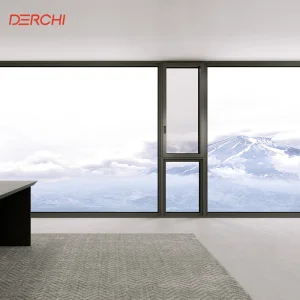
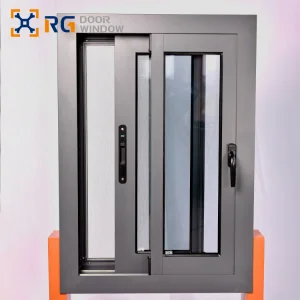
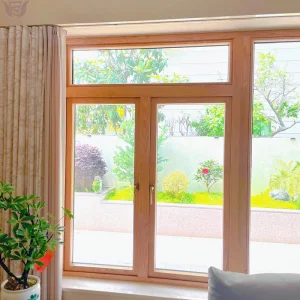
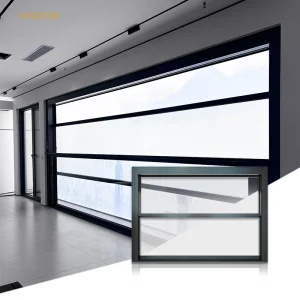
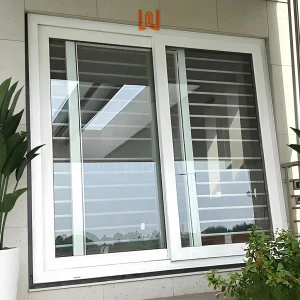
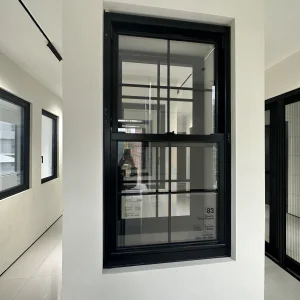
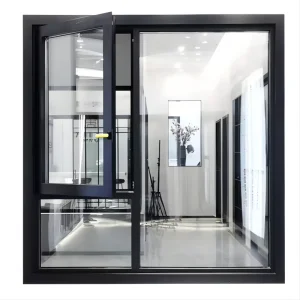
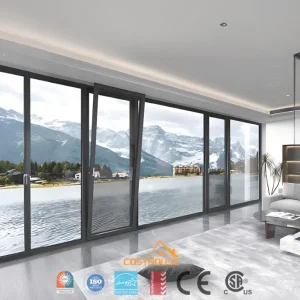
In modern structural engineering, the building envelope accounts for up to 40% of a building's overall energy loss. Traditional metal framing systems, despite their structural robustness and aesthetic sleekness, behave as highly conductive heat pathways. This creates a critical phenomenon known as thermal bridging, where heat energy escapes during cold seasons and penetrates during hot seasons. To counteract this vulnerability, modern construction relies heavily on CE Certified Thermal Break Doors and Windows.
Dongguan Wright Windows Co., Ltd. is a professional China window manufacturer specializing in aluminum windows, UPVC windows, and energy-efficient window solutions for residential, commercial, and architectural construction projects worldwide. With a strong commitment to quality, innovation, and customer satisfaction, we provide high-performance window systems that combine durability, aesthetics, functionality, and energy-saving benefits. By integrating state-of-the-art thermal barriers with premium glass configurations, we systematically eliminate thermal bridging, allowing projects to meet rigorous local building codes and global energy efficiency milestones.
The core of our thermal break system is the integration of a low-conductivity material within the aluminum extrusion profiles. We utilize premium Polyamide 66 reinforced with 25% glass fiber (PA66-GF25). This barrier splits the aluminum profile into two distinct, thermally isolated inner and outer chambers. Unlike traditional "pour-and-debridge" polyurethane systems, structural polyamide strips possess an equivalent thermal expansion coefficient to aluminum, ensuring the composite profile retains its structural integrity under extreme thermal loading and wind pressures.
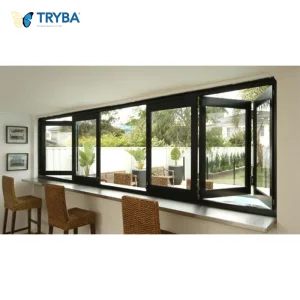
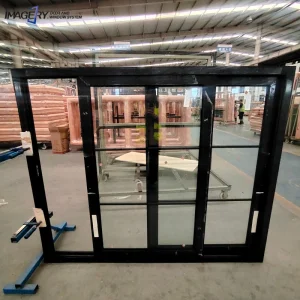
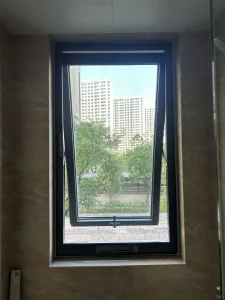
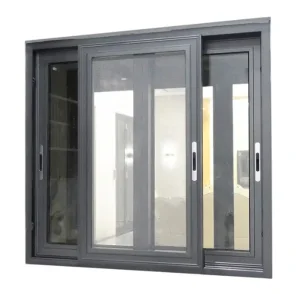
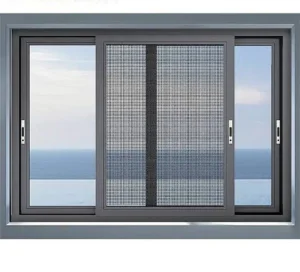
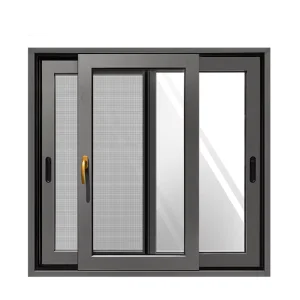
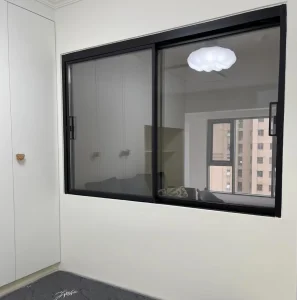
By combining polyamide barriers with high-performance glazing, we optimize both the thermal performance and mechanical properties of our products. Our comprehensive product portfolio includes aluminum windows, UPVC windows, thermal break windows, sliding windows, casement windows, awning windows, fixed windows, soundproof windows, and customized architectural window systems. Designed to meet modern building requirements, our products are widely used in residential communities, commercial complexes, office buildings, hotels, educational facilities, and large-scale construction developments.
| Performance Metrics | Standard Aluminum Doors | PA66 Thermal Break (Double Glazed) | Architectural Thermal Break (Triple Glazed) |
|---|---|---|---|
| U-Factor (Thermal Transmittance) | 5.8 W/m²K | 1.6 - 2.0 W/m²K | 0.8 - 1.2 W/m²K |
| Condensation Resistance Factor (CRF) | Low (Risk of mold & water damage) | High (No internal condensation) | Exceptional (Suitable for sub-zero zones) |
| Acoustic Insulation (STC Rating) | 28 dB | 38 dB | 45+ dB |
| Maximum Structural Wind Load | Up to 2.0 kPa | Up to 4.5 kPa | Up to 6.0 kPa (Hurricane Proof) |
Every construction project operates within a distinct microclimate. A standard architectural solution cannot satisfy the structural requirements of all environments. To address these variations, we offer specialized, engineered localized design variations:
In northern climates, such as Canada, Scandinavia, and the northern United States, preventing internal structural icing and minimizing passive heat loss is essential. Our triple-glazed thermal break windows use Argon-gas-filled chambers and Warm Edge spacers. This layout delivers low U-values, maintaining a comfortable interior climate while preventing interior condensation.
For regions exposed to typhoons, salt spray, and extreme heat, like Southeast Asia, Florida, and the Middle East, structural integrity and corrosion resistance are primary concerns. We use structural 6063-T6 marine-grade aluminum alloy profiles, treated with high-durability fluorocarbon (PVDF) powder coatings. This setup withstands wind pressures of up to 6.0 kPa and resists saline-induced corrosion.
Urban projects require acoustic control and high-performance safety ratings. Our laminated multi-layer safety glass configurations reduce urban noise by up to 45dB, creating quiet indoor environments near busy arterial roads, airports, and commercial centers.
The building envelope sector is shifting from passive insulation toward active energy generation and smart thermal regulation. Wright Windows is at the forefront of this shift, investing in R&D to align our thermal break systems with future standards:
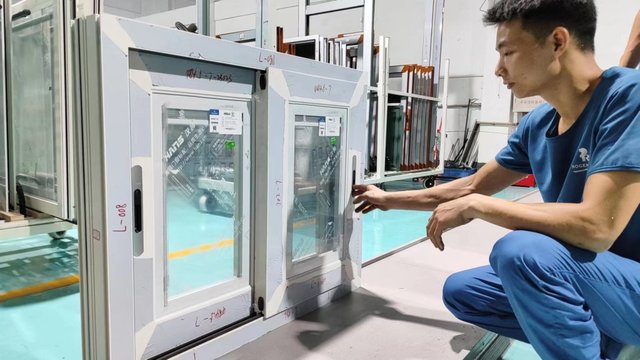
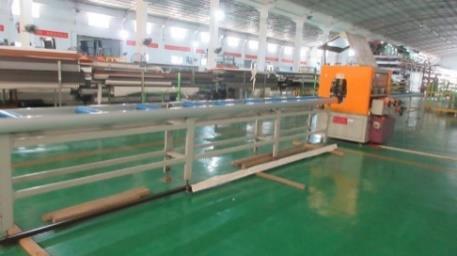
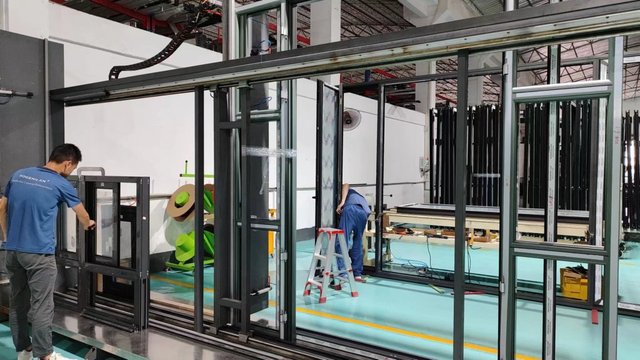
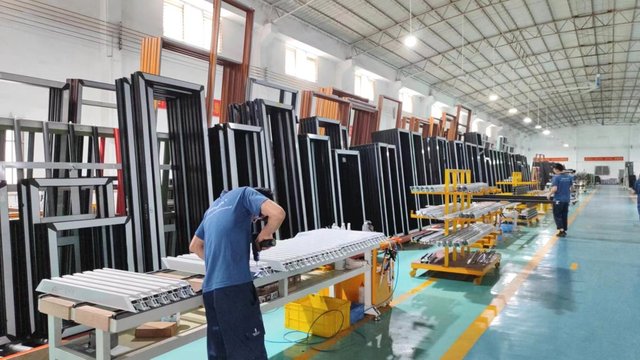
Our manufacturing facility in Dongguan integrates advanced production technologies with technical engineering expertise. This allows us to supply cost-effective, high-performance window systems to international markets.
Quality is the foundation of our business. Our manufacturing facility is equipped with modern production equipment and strict quality management systems that ensure precision fabrication, structural reliability, and long-term performance. Every product undergoes rigorous testing and inspection to verify durability, weather resistance, thermal insulation, and operational efficiency. Located in the Pearl River Delta industrial cluster, we source raw billets, custom glass, and specialized hardware within a short radius, maintaining a reliable supply chain.
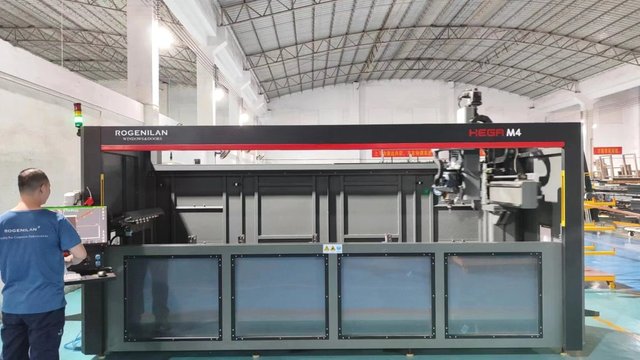
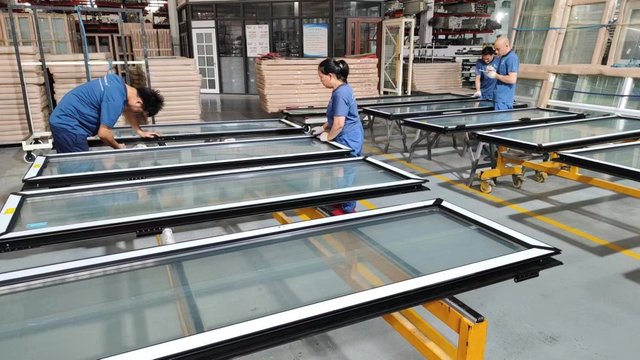
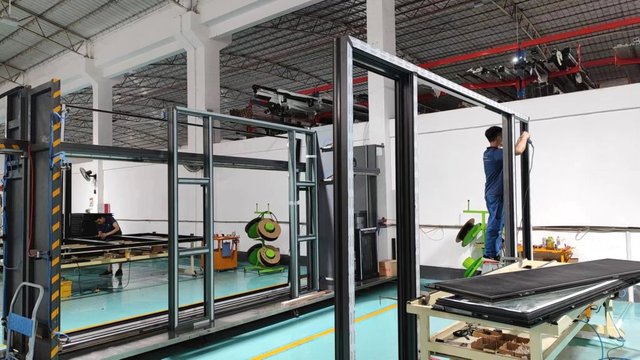
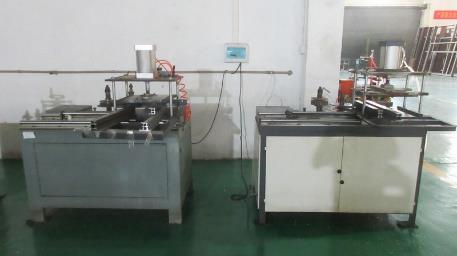
In addition to standard product lines, Dongguan Wright Windows Co., Ltd. offers comprehensive OEM and ODM services, providing customized window solutions that support unique architectural concepts and branding requirements. Our flexible production capabilities allow us to accommodate both large-scale construction projects and specialized custom orders.
Regulatory changes, such as the European Union’s Energy Performance of Buildings Directive (EPBD) and ASHRAE 90.1 in the United States, are raising thermal performance standards globally. Building owners are renovating building envelopes to lower carbon footprint taxes and utility costs.
Serving customers across North America, Europe, Australia, the Middle East, Southeast Asia, and other global markets, Wright Windows is dedicated to delivering reliable window systems, competitive value, and professional service. Our mission is to become a trusted global partner for innovative, energy-efficient, and sustainable window solutions that enhance modern building performance and design.
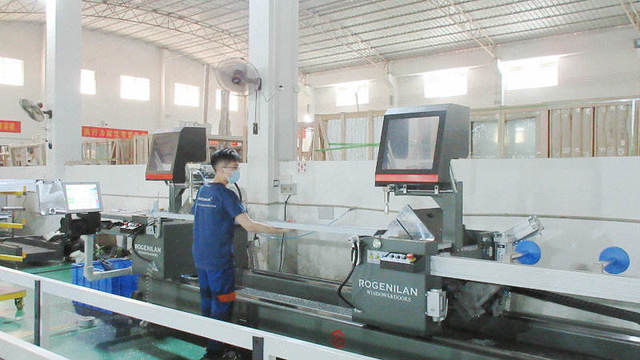
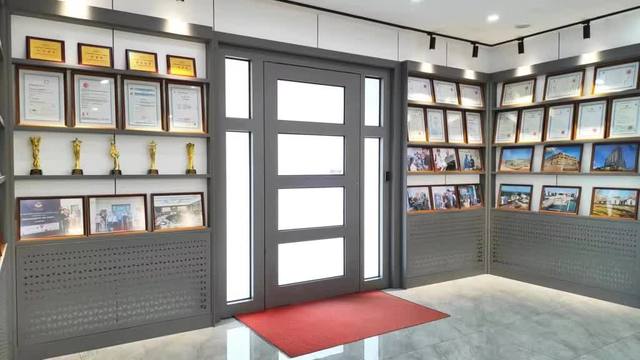
At Wright Windows, we integrate advanced manufacturing technologies with professional engineering expertise to deliver window solutions tailored to diverse project specifications. Our experienced team supports customers throughout every stage of the project, from design consultation and material selection to production, quality inspection, and delivery. We work closely with architects, contractors, developers, distributors, and building material suppliers to ensure each solution meets both functional and aesthetic expectations.
To streamline compliance, we provide comprehensive documentation for import approval, including:
Access technical answers to support your engineering design and purchasing decisions:
 Wright Windows