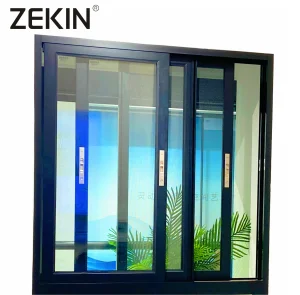
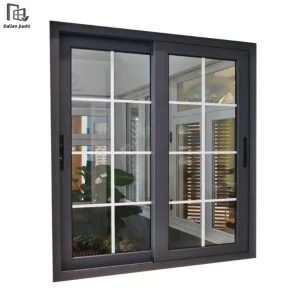
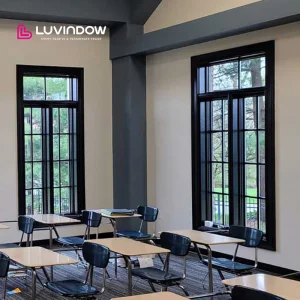
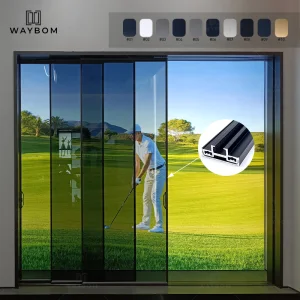
Engineered structural glazing systems featuring advanced sealing, multi-layered tempering, and robust thermal breaks for Namibia's unique climate zones.
As one of the fastest urbanizing nations in southwestern Africa, Namibia's real estate and commercial construction sectors are undergoing a significant transition. Architectural designs in Windhoek, Walvis Bay, Swakopmund, and Ondangwa are rapidly shifting toward modern, high-efficiency, energy-conscious building envelopes. The traditional approach to window specification has evolved from simple wall openings to complex, engineered building skin elements. This transition is highly driven by the environmental pressures characteristic of the Namibian landscape: intense UV radiation, massive diurnal temperature shifts, and corrosive coastal marine air.
Developers and contractors across Sub-Saharan Africa now recognize that window systems are critical to managing HVAC operational costs. Namibia's SANS 10400-XA energy efficiency building regulations require systematic attention to the Solar Heat Gain Coefficient (SHGC) and total U-Values of architectural glazing. Meeting these requirements necessitates sourcing from advanced window manufacturers capable of blending premium aluminum alloys and high-durability UPVC extrusion with multi-layered low-emissivity (Low-E) glass systems.
High UV Exposure: Promotes polymer degradation in substandard vinyl and rapid fading in inferior anodized coatings.
Coastal Salt Spray: Requires Class C5-M grade hardware and marine-grade corrosion-resistant powder coatings.
Thermal Extremes: Large temperature differences between day and night in inland deserts require thermal break profiles to prevent internal heat bridge transfer.
Discover high-performance profile designs engineered for demanding architectural applications, from coastal resorts to modern clinical facilities.
Specifiers in the Namibian market frequently face a critical question: should projects utilize aluminum window systems or UPVC profiles? Both materials have distinct functional advantages that must be carefully mapped against the geographical location and structural parameters of the building.
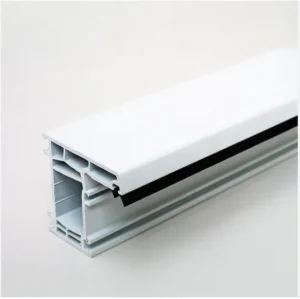
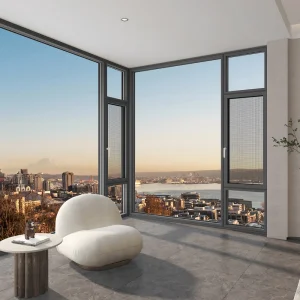
Thermal Break Aluminum Systems: Aluminum is favored for modern architectural projects due to its superior structural strength and slim profile margins. This allows for expansive glass installations (such as floor-to-ceiling panoramic picture windows). Un-insulated aluminum is highly conductive, transferring heat into air-conditioned interior spaces. Wright Windows addresses this by utilizing thermal break technology, which inserts a low-conductive polyamide barrier between the interior and exterior aluminum profiles. This design significantly reduces thermal bridging, matching the stringent energy-saving demands of contemporary Namibia-based developments.
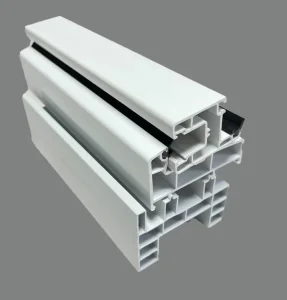
Advanced UPVC Profile Systems: UPVC has inherently low thermal conductivity, offering excellent insulation out of the box. However, standard UPVC can degrade under high UV exposure. Wright Windows uses specialized UPVC formulations enriched with titanium dioxide (TiO2). This modification reflects harmful UV radiation, preserving structural integrity, color, and impact resistance in desert regions like Swakopmund or the Kalahari fringes. UPVC is also immune to electrochemical corrosion, making it highly suitable for coastal zones with high salt concentration.
| Performance Metric | Thermal Break Aluminum System | UV-Stabilized UPVC System | Namibian Environmental Suitability |
|---|---|---|---|
| Structural Load Limit | High (Exceptional for high-rise Windhoek projects) | Moderate (Excellent for low-to-medium rise) | Windhoek windward areas require high wind resistance load limits. |
| Corrosion Resistance | Requires PVDF/Marine grade coating | Excellent (Immune to oxidation and salt spray) | UPVC is ideal for coastal Walvis Bay and Swakopmund properties. |
| Thermal Conductivity (U-Value) | 1.6 to 2.2 W/m²K (with polyamide thermal breaks) | 1.2 to 1.8 W/m²K (with multi-chamber profiles) | Both meet and exceed SANS 10400-XA standards for low heat transfer. |
| UV Degradation Resistance | Excellent (Anodized or powder-coated) | High (With titanium-dioxide additive formulation) | Prevents yellowing and micro-cracking in high-solar desert areas. |
For large-scale commercial developments, public sector housing, and high-end residential estates in Namibia, direct procurement from global manufacturers like Dongguan Wright Windows Co., Ltd. offers a distinct cost advantage. Managing international logistics for fragile, heavy glazing systems requires a reliable partner who understands local import procedures.
Our global logistics department coordinates shipping routes directly from China's manufacturing hubs to the Port of Walvis Bay. This strategic port provides a fast gate route for southern African shipping lanes, avoiding the delays associated with inland transshipment through South Africa. Our team manages all export documentation, custom crates, loading balances, and marine insurance, ensuring product shipments arrive on site intact and ready for installation.
We provide full SANS compliance certificates, customized HS code declarations, and certificate documentation to streamline importing into Namibia under SACU customs agreements.
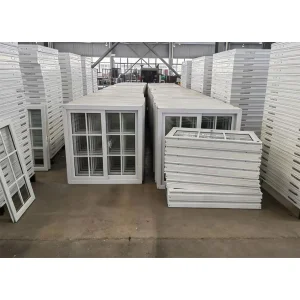
All glass elements and frame extrusions are packed in steel-reinforced plywood crates with desiccant packaging, preventing moisture buildup during ocean freight transit.
Inland regions of Namibia experience extreme diurnal temperature cycles, where ambient temperatures can fluctuate by more than 20°C in a single 24-hour period. This continuous change causes thermal expansion and contraction in building envelopes, putting strain on window frame joints, sealants, and anchors. Inferior window installations can develop gaps, leading to air leakage, dust ingress, and structural failures.
Wright Windows addresses this thermal stress through precision mechanical engineering. Our frame assemblies feature engineered expansion joints, high-grade EPDM double-compression weather stripping, and structural silicone glazing. This flexibility allows the window frame to expand and contract without compromising wind resistance, air tightness, or water impermeability.
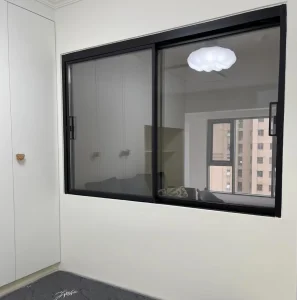
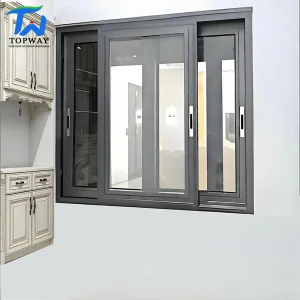
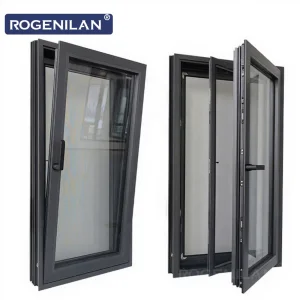
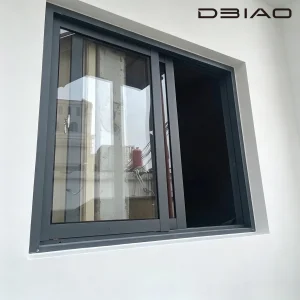
Our sliding windows and casement systems are tested for structural stability under high wind pressures. This performance is crucial for windward properties in Windhoek's hills or along coastal dunes, where seasonal sandstorms put building materials to the test.
Dual-pane safety glass separated by argon gas chambers acts as an effective thermal and acoustic barrier. Tempered safety glass provides high impact resistance against debris during heavy wind storms.
Microscopic metallic oxide coatings reflect long-wave infrared heat (keeping desert heat outside) while letting visible light pass through. This reduces interior greenhouse heating effects.
Multi-point locking systems constructed with 304/316 grade stainless steel provide strong home security and airtight sealing pressure across the window sash.
A global leader in structural building envelope design and energy-efficient window fabrication.
Dongguan Wright Windows Co., Ltd. is a professional China window manufacturer specializing in aluminum windows, UPVC windows, and energy-efficient window solutions for residential, commercial, and architectural construction projects worldwide. With a strong commitment to quality, innovation, and customer satisfaction, we provide high-performance window systems that combine durability, aesthetics, functionality, and energy-saving benefits.
Our comprehensive product portfolio includes aluminum windows, UPVC windows, thermal break windows, sliding windows, casement windows, awning windows, fixed windows, soundproof windows, and customized architectural window systems. Designed to meet modern building requirements, our products are widely used in residential communities, commercial complexes, office buildings, hotels, educational facilities, and large-scale construction developments.
At Wright Windows, we integrate advanced manufacturing technologies with professional engineering expertise to deliver window solutions tailored to diverse project specifications. Our experienced team supports customers throughout every stage of the project, from design consultation and material selection to production, quality inspection, and delivery. We work closely with architects, contractors, developers, distributors, and building material suppliers to ensure each solution meets both functional and aesthetic expectations.
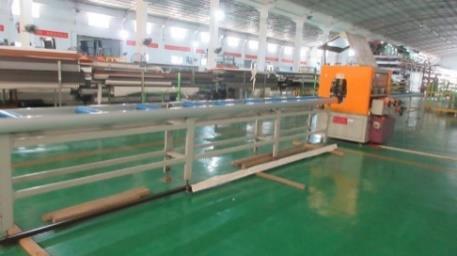
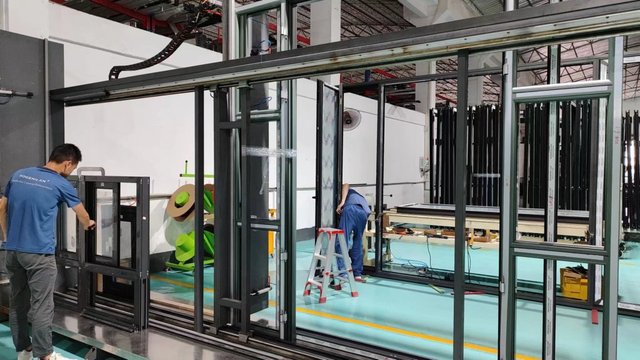
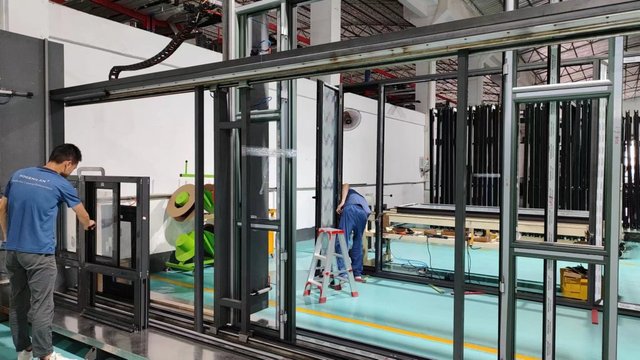
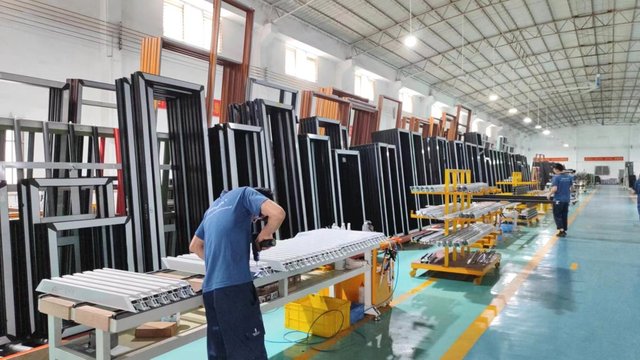
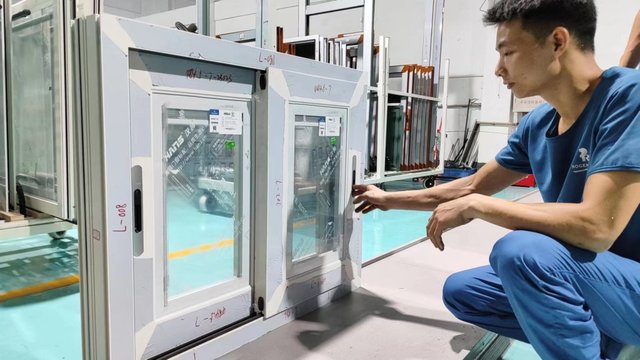
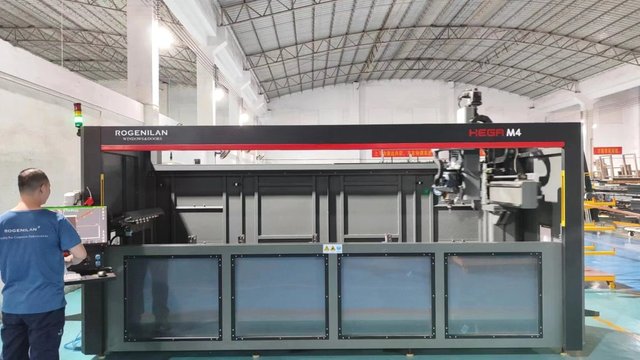
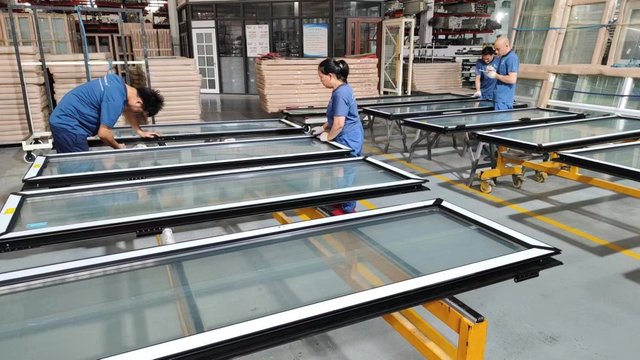
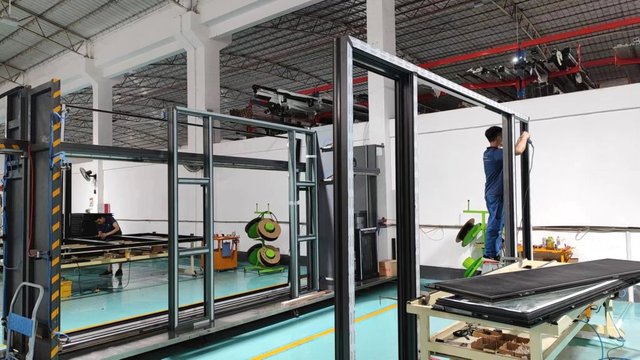
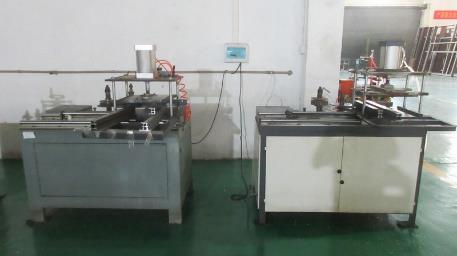
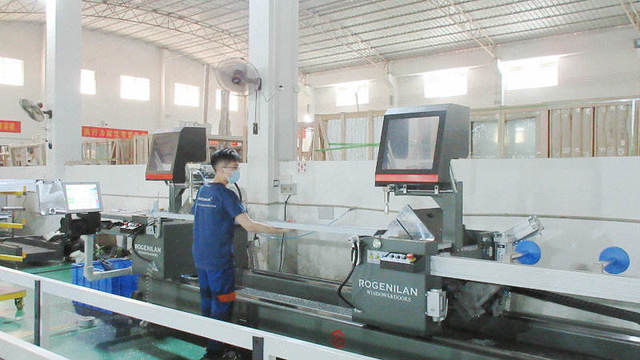
Quality is the foundation of our business. Our manufacturing facility is equipped with modern production equipment and strict quality management systems that ensure precision fabrication, structural reliability, and long-term performance. Every product undergoes rigorous testing and inspection to verify durability, weather resistance, thermal insulation, and operational efficiency.
In addition to standard product lines, Dongguan Wright Windows Co., Ltd. offers comprehensive OEM and ODM services, providing customized window solutions that support unique architectural concepts and branding requirements. Our flexible production capabilities allow us to accommodate both large-scale construction projects and specialized custom orders. Serving customers across North America, Europe, Australia, the Middle East, Southeast Asia, and other global markets, Wright Windows is dedicated to delivering reliable window systems, competitive value, and professional service. Our mission is to become a trusted global partner for innovative, energy-efficient, and sustainable window solutions that enhance modern building performance and design.
Detailed technical answers addressing procurement, climatic adaptation, energy standards, and installation in Namibia.
Our window systems are engineered to achieve low U-values and tailored Solar Heat Gain Coefficients (SHGC). By utilizing polyamide thermal breaks in our aluminum profiles and Argon-gas filled double low-emissivity (Low-E) tempered glass, our products easily exceed the thermal transmittance requirements defined by South African National Standards (SANS) 10400-XA, which are widely referenced in Namibian construction codes.
For coastal properties exposed to continuous sea air and salt fog, we highly recommend our titanium-dioxide-stabilized UPVC window profiles or marine-grade anodized thermal break aluminum profiles. Additionally, we use Grade 304 or 316 stainless steel hinges, rollers, and locks to prevent corrosion and surface rust.
Generally, the manufacturing process takes 20 to 30 days depending on the structural details and custom profiling required. Shipping from Shenzhen/Guangzhou ports to the Port of Walvis Bay typically takes 30 to 35 days, followed by inland delivery within Namibia. Our logistics team assists with customs documentation to help streamline clearings.
Yes. Our engineering division works closely with architects and developers to review CAD drawings and BIM models. We analyze local wind-load requirements, thermal limits, and drainage parameters to ensure each custom profile is suited to your project specifications before manufacturing begins.
Explore our full range of durable aluminum and UPVC residential windows available for direct procurement.
Partner with a reliable manufacturer who understands local building requirements. Get in touch with our engineering team for customized calculations, energy evaluations, and a wholesale price quote.
Send Inquiry Now Wright Windows